

We pull capacitors off single-phase motors all the time, and the moment people hold one up to the light is the moment they lose it. Is this a start or a run? The start capacitor vs run capacitor question comes up on almost every job, and when someone guesses wrong the motor pays for it a week later. It's the one we get asked more than any other on these parts.
Good news: the difference is smaller than it feels. Once you have the tells we use, the call takes five seconds. This is how we walk through it.
Both parts do the same trick. They shift the current in the auxiliary winding so the motor gets a rotating field. The only difference is when they do it, and for how long.
Here's how we put it when a customer asks. The start capacitor works for the first couple of moments, and only then. The motor is standing dead still, it wants a real shove just to get moving, and once it's moving the cap is pulled out of the circuit, gone. The run capacitor never leaves. It rides along the entire time the motor turns, holding the field up and keeping the power factor where it should be.
Momentary versus continuous. We fix that word in people's heads first, because it carries the rest of the conversation. The part size falls out of it. The voltage rating falls out of it. What's inside, and how long the thing will live, falls out of it too. Get that one straight and everything else lines up behind it.
Sit a single-phase motor at standstill and it has no rotating field in it. No field, no torque, no movement. The start capacitor's whole job is to throw a big phase shift into the auxiliary winding for one short burst, and that burst is the shove that gets things going.
And "large" isn't an exaggeration. Because the part only has to do its job for a second or two, it can get away with being big. We're talking 50 to 500 microfarads, and it gets by on a lower voltage rating, because it never hangs out at line voltage long enough for that to matter.
Most of them are electrolytic, and that's deliberate. Electrolytics cram a lot of capacitance into a small, cheap body, which is perfect for a job that lasts a second. The problem is they hate continuous AC. Leave one energized around the clock and it cooks itself. We've pulled enough melted start caps to know exactly what that looks like.
So the sequence is: the cap shoves, the rotor comes up to speed, a centrifugal switch (a relay on the bigger motors) opens, and the start capacitor is out of the circuit for good. That switch usually fires somewhere around 70 to 80 percent of rated speed.
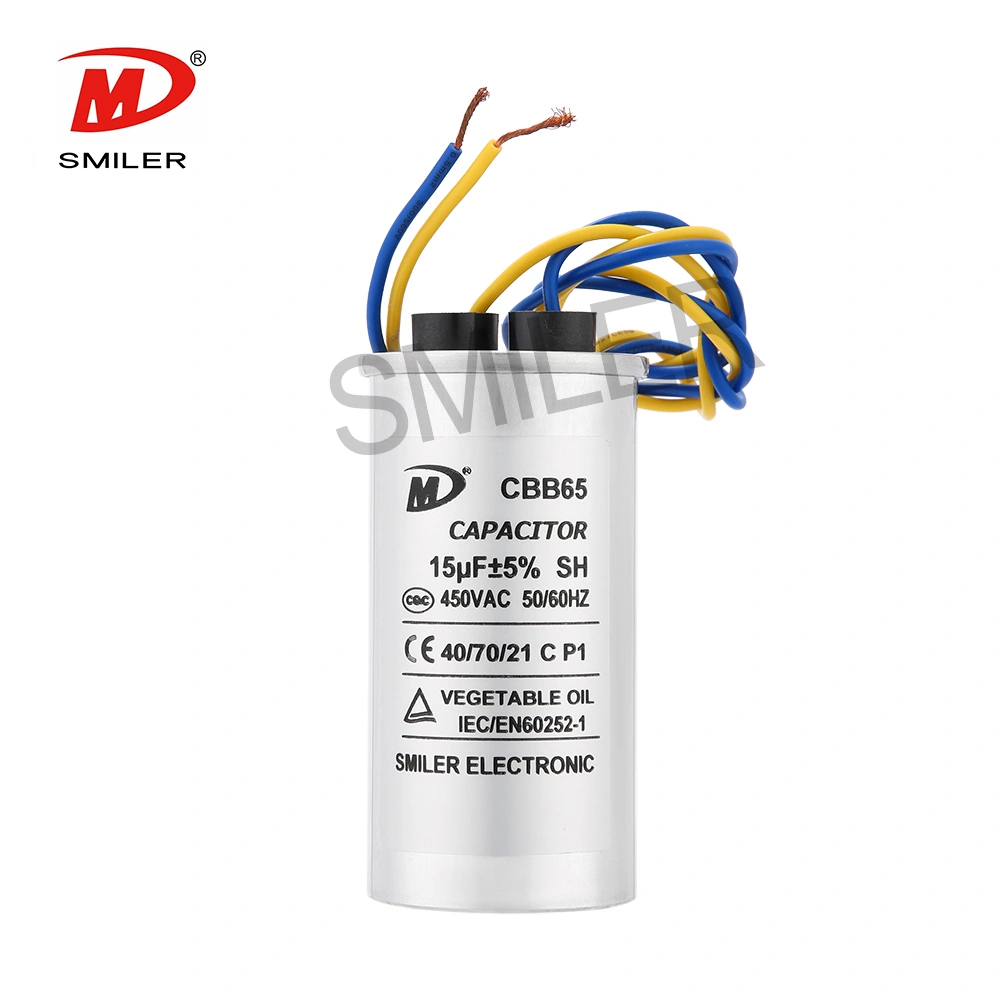
The run capacitor runs on the opposite philosophy. We build these smaller, sized for continuous duty, and they stay in the circuit the whole time. The capacitance is modest, a few microfarads up to a couple dozen, maybe a touch more on the larger motors. But the voltage is high, commonly 370 to 450 VAC, because the part is sitting at full line all day.
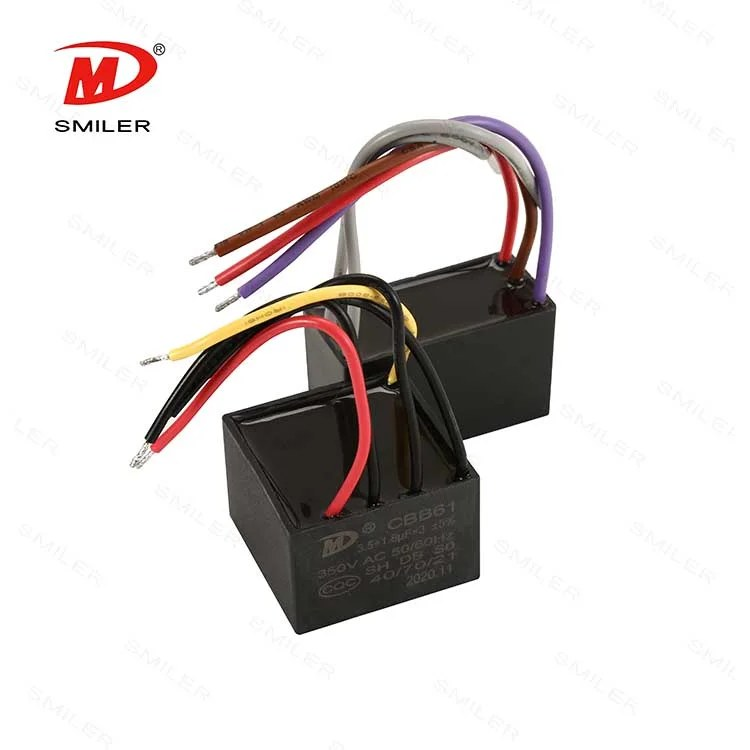
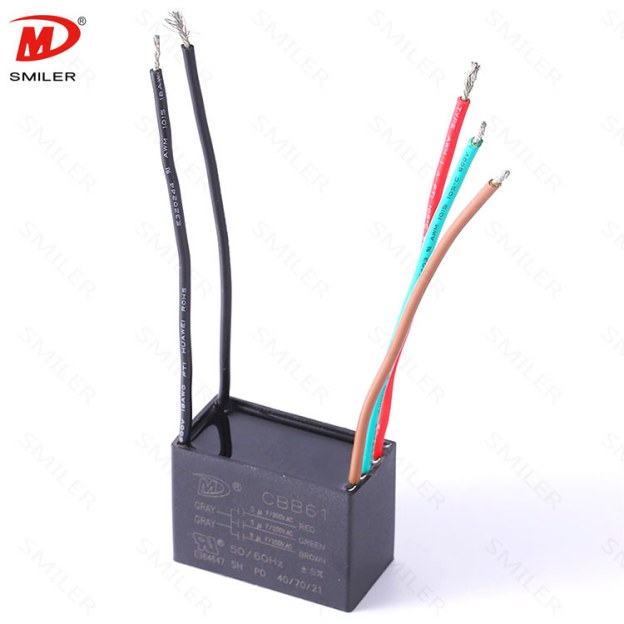
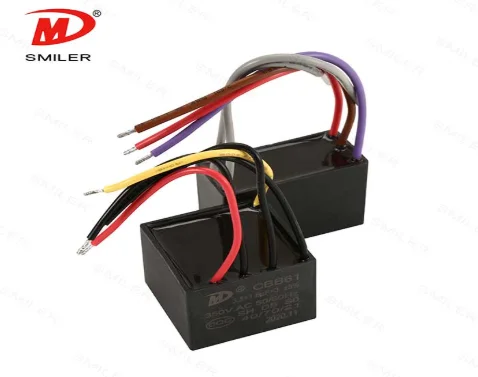
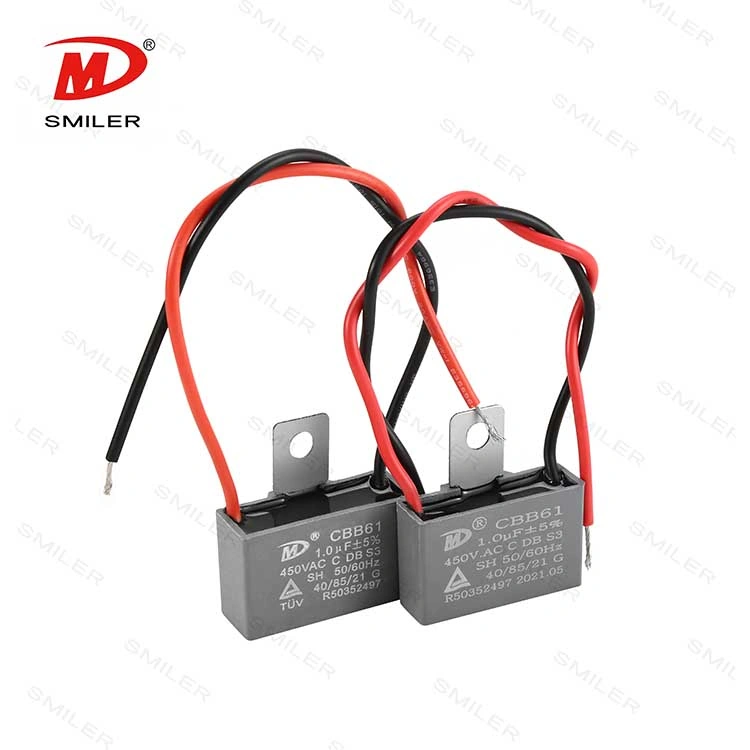
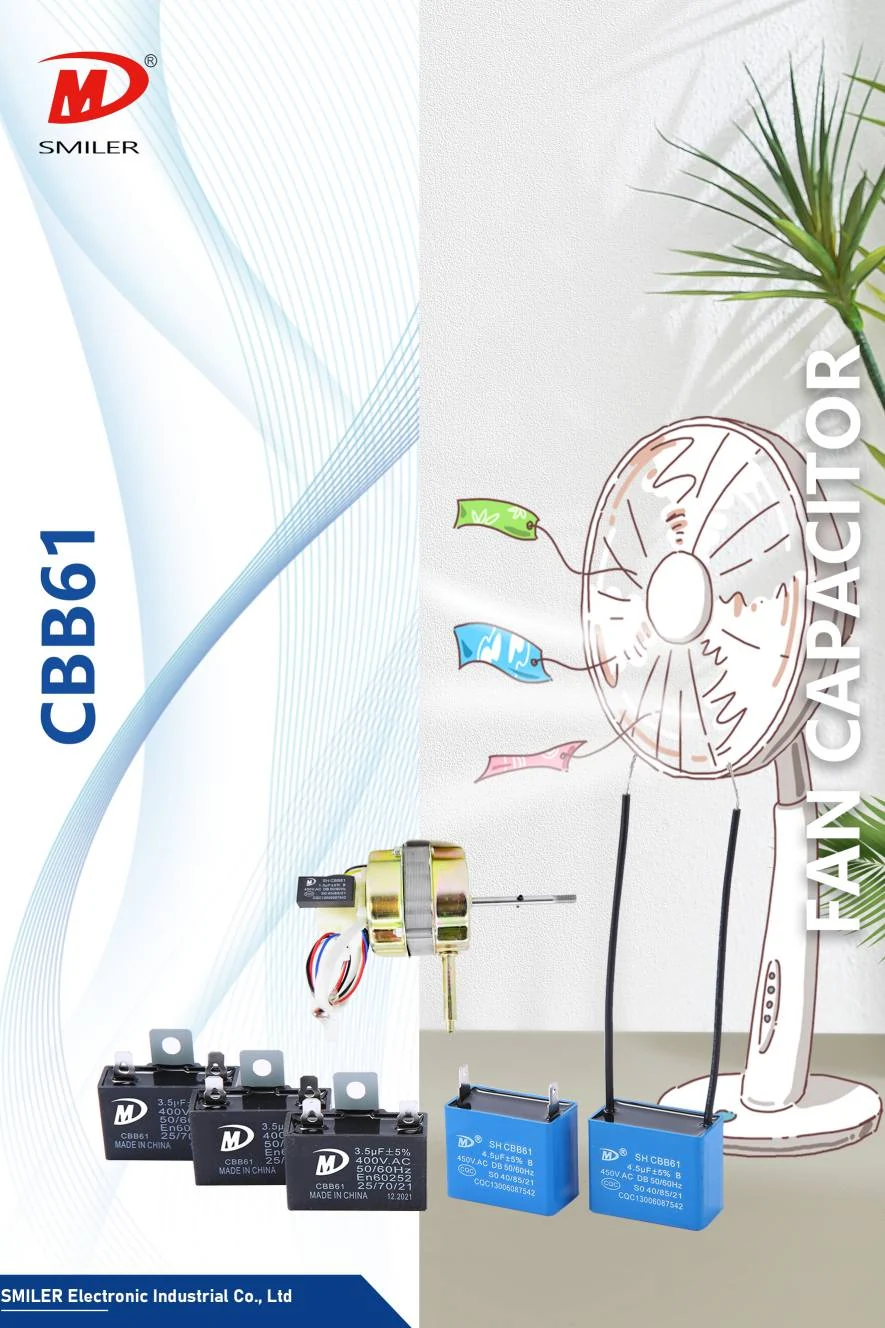
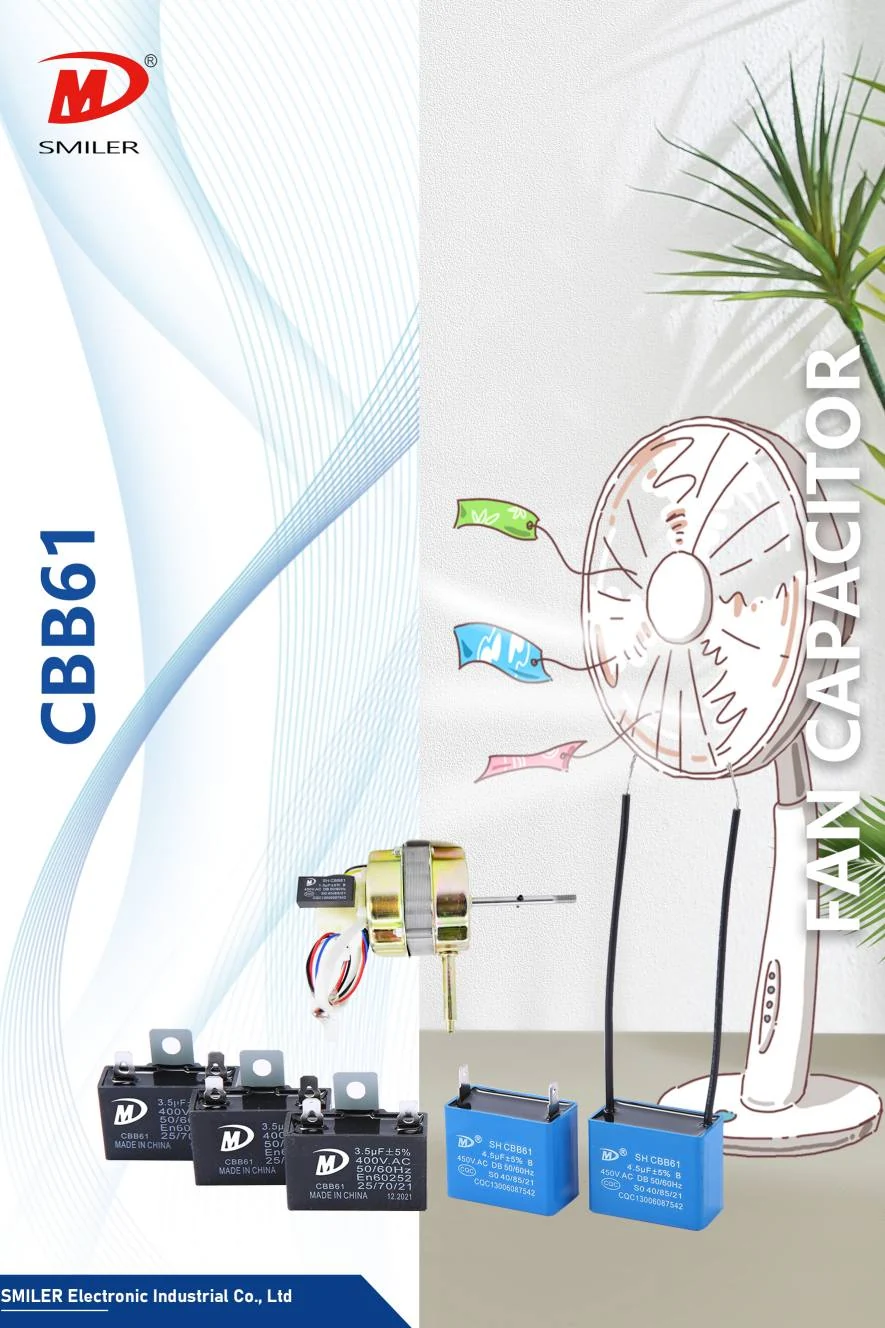
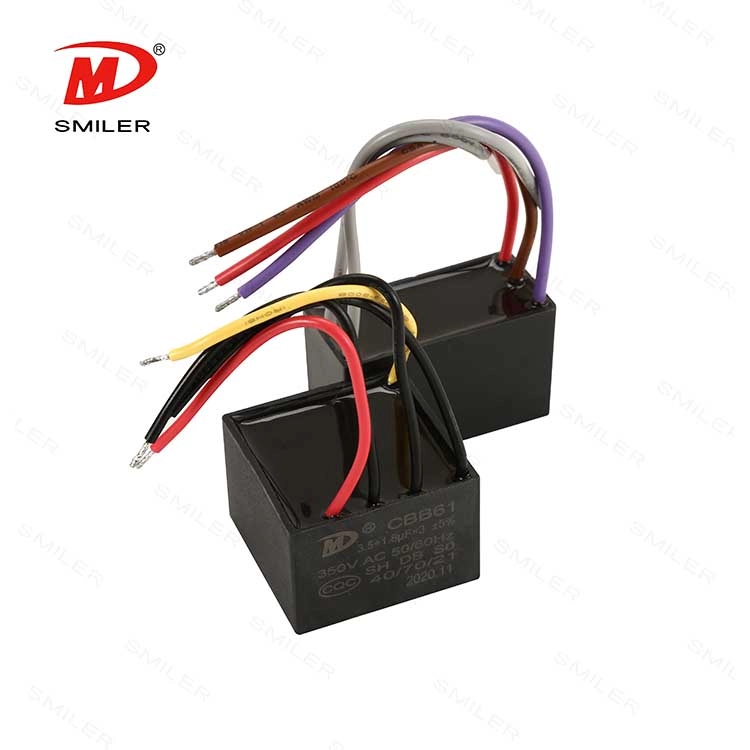
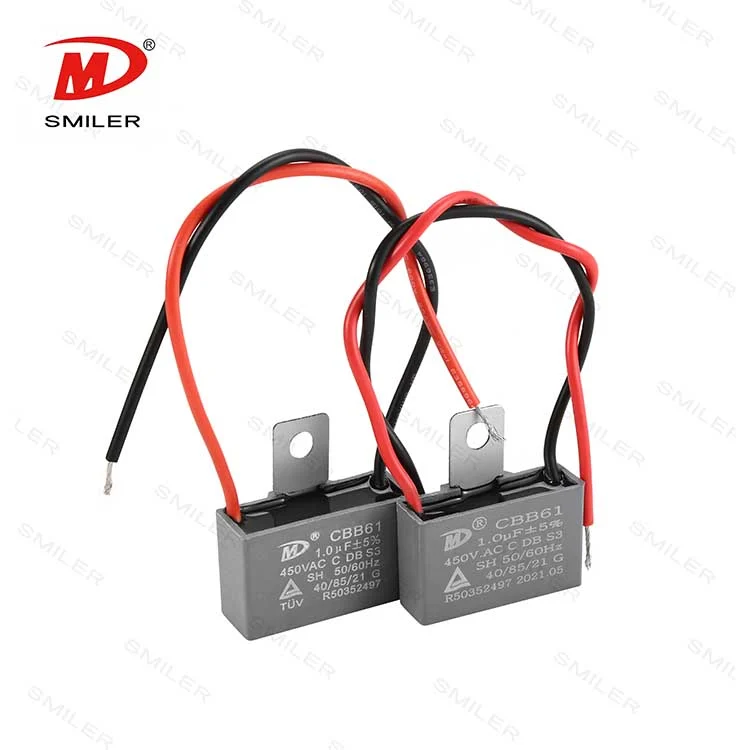
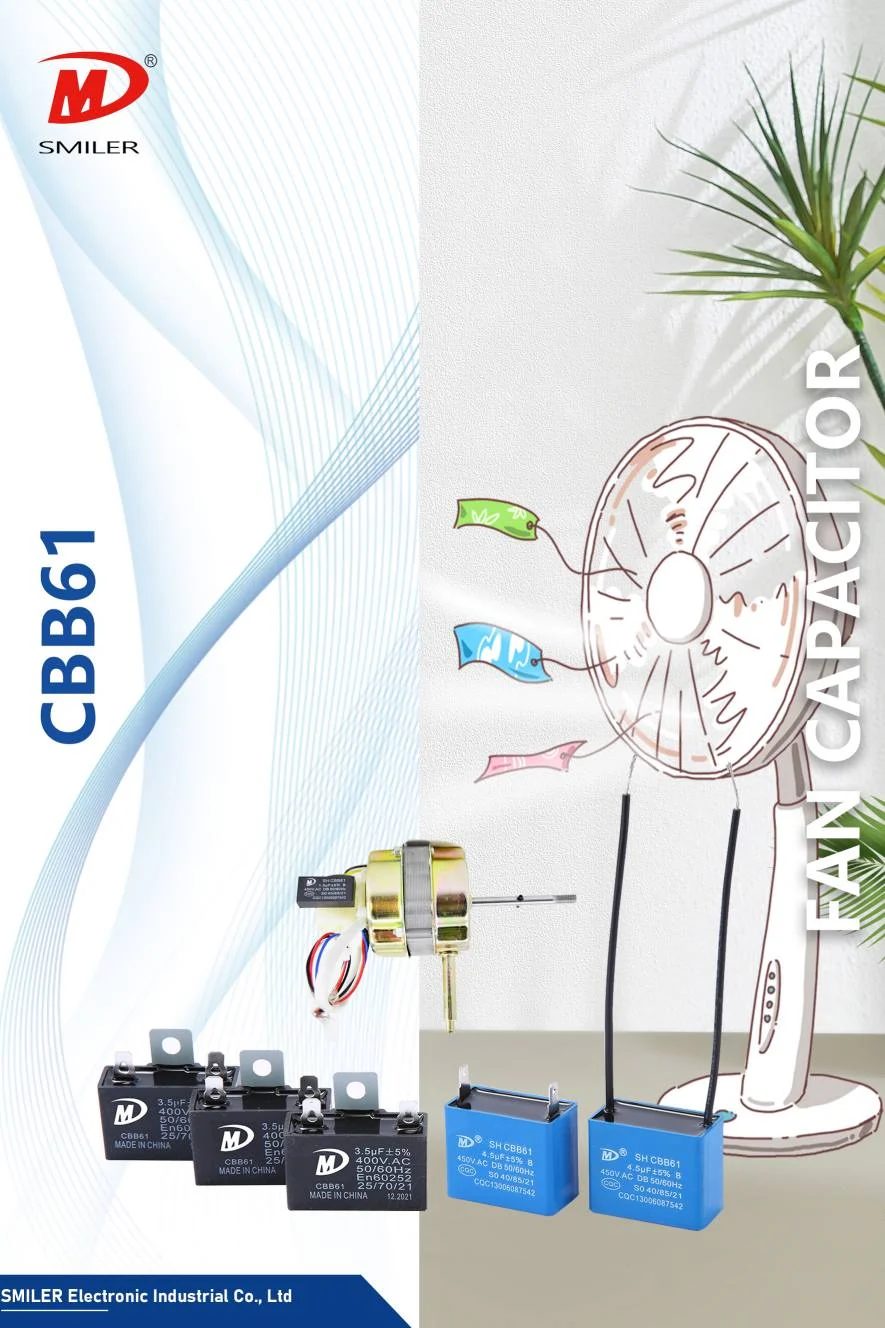
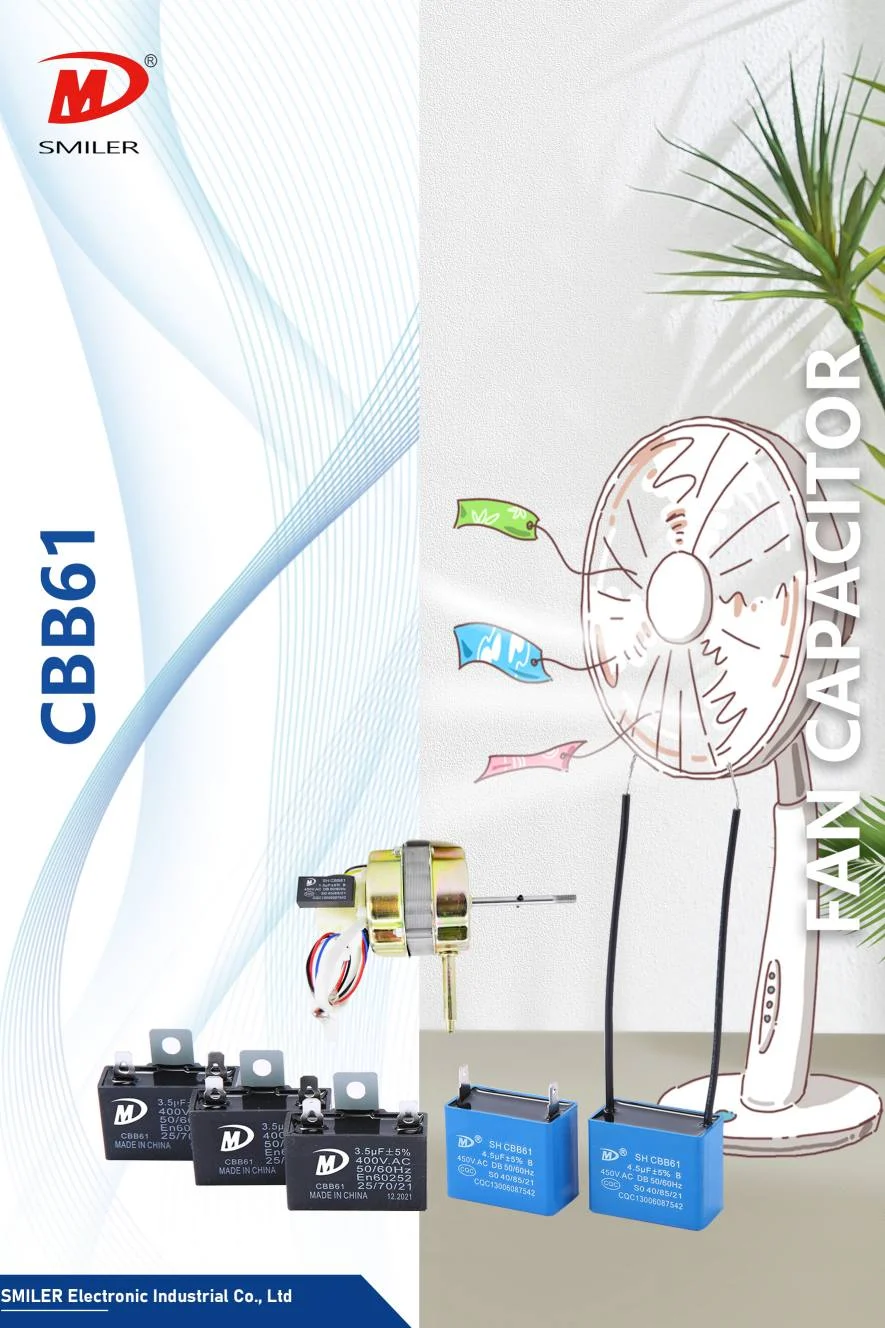
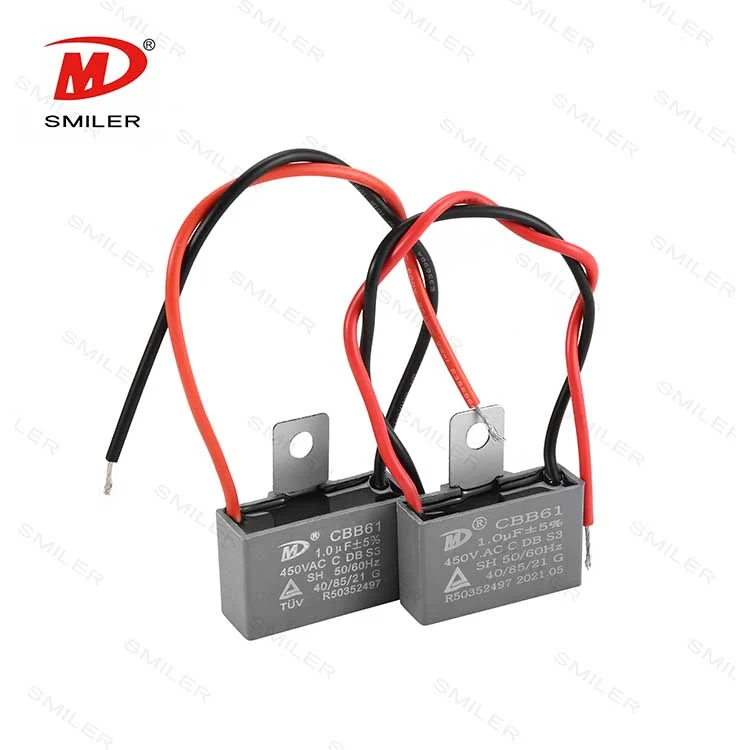
Inside is self-healing metallized polypropylene film. Low-loss, long-life, which is the whole point when the part is live for thousands of hours a year. It's the CBB61 you'll see in most fan motors, and it's what shows up in most of what we quote.
While the motor runs, it keeps the auxiliary current leading the main current. That shows up as steadier torque, better power factor, and windings that stay cooler. We go into that continuous-duty design a lot more in our run capacitor explained guide.
Start capacitor | Run capacitor | |
Duty | Momentary, 1–3 seconds | Continuous, 100% duty |
Capacitance | Large, ~50–500 µF | Small, a few to a few dozen µF |
Voltage rating | Lower, ~125–330 VAC | Higher, ~370–450 VAC |
Dielectric | Electrolytic (AC type) | Self-healing film (CBB61) |
Cut out by | Centrifugal switch / relay | Never, stays in circuit |
Job | Big starting torque | Steady running + power factor |
You'll see that same pattern in every reference we lean on. Big microfarads with a low voltage means start. Small microfarads with a high voltage means run. When the two numbers point at each other like that, they're describing two different jobs, not two sizes of the same part.
Out in the field you rarely get the schematic in front of you. We judge from the part in our hand, and we run the same three checks, in the same order, every time.
The label first. Start parts read "Motor Start" or just "Start." Run parts read "Motor Run" or "Run." The label also carries the µF and VAC, and once you know the numbers to expect, that's the fastest confirmation there is.
Then the body. Start caps tend to be the larger-can parts, often a black phenolic or plastic case with a recessed top where the terminals sit. Run caps are typically the smaller oil-filled metal cans.
Finally we trace the wiring. In series with a centrifugal switch, that little spring-loaded mechanism, it's a start capacitor. Wired straight into the auxiliary winding with no switch in the path, it's a run capacitor. Our device manuals use that last check as the tie-breaker whenever the label has faded.
Some motors, the heavier ones, compressors and larger pumps, don't pick one or the other. They use both, together.
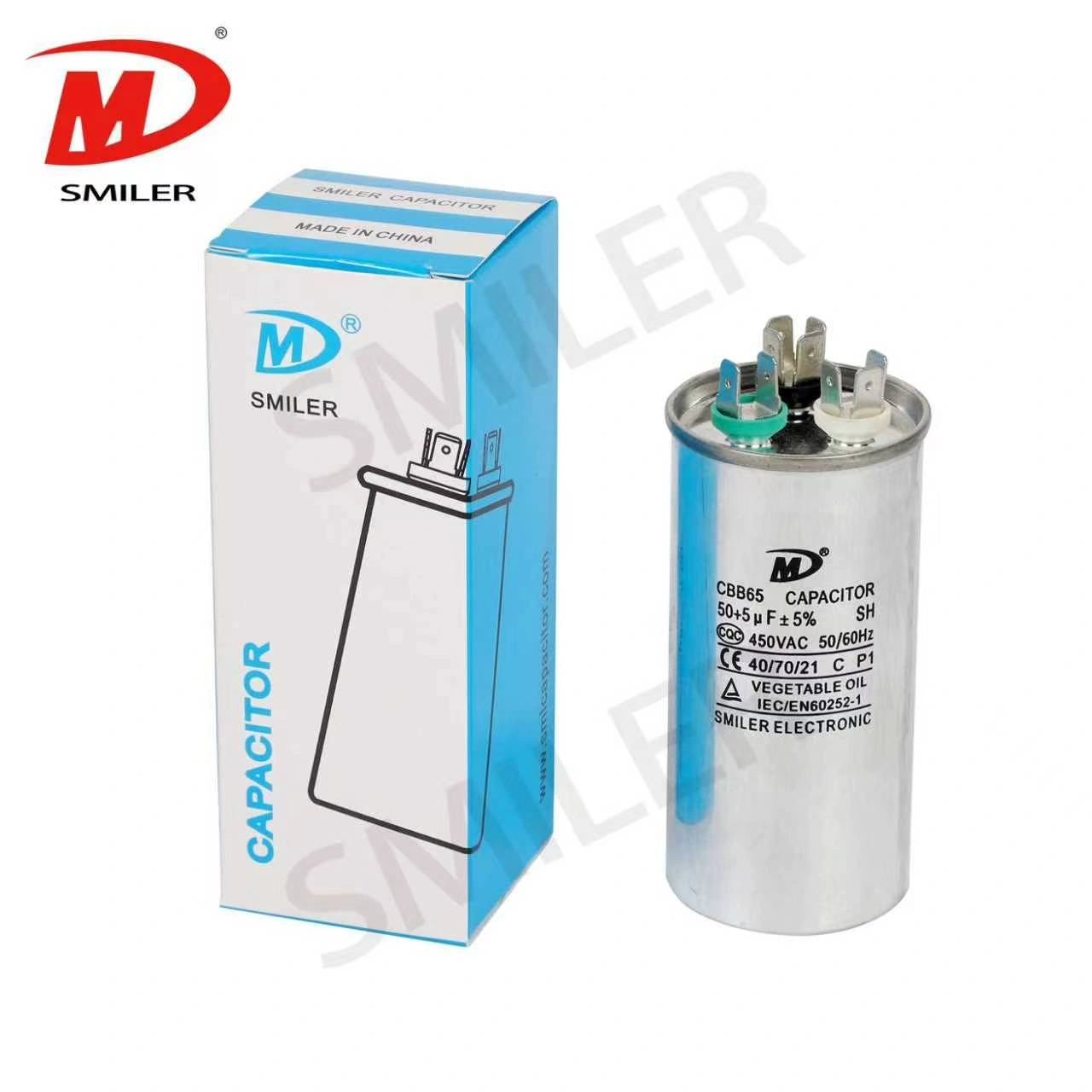
The run capacitor stays connected permanently. The start capacitor is wired in with it, cut out by the centrifugal switch at speed. We'll see it as one can with more than two leads, or as two separate cans. The start value gives the big initial torque, and the run value keeps the motor efficient afterward.
No. And we can tell you this is where bad repairs come from.
Run capacitor in a start position: the motor is short on starting torque. It hums, stalls, because a small film part can't produce the phase shift a start job needs.
Start capacitor in a run position: worse. It sees line voltage continuously, and an electrolytic part isn't built for that. We've watched those overheat, fail fast, and take the auxiliary winding with them.
Match the job to the part. Start values for starting, run values for running, a dual-value can where the motor was designed for both. Not sure which one failed? The fastest way to find out is a meter, and our step-by-step guide to testing a fan capacitor shows how to confirm the value and catch an open or degraded part.
If you're still working out why the motor needs a capacitor at all, our what-is-a-fan-capacitor post covers that first, before any of the numbers.
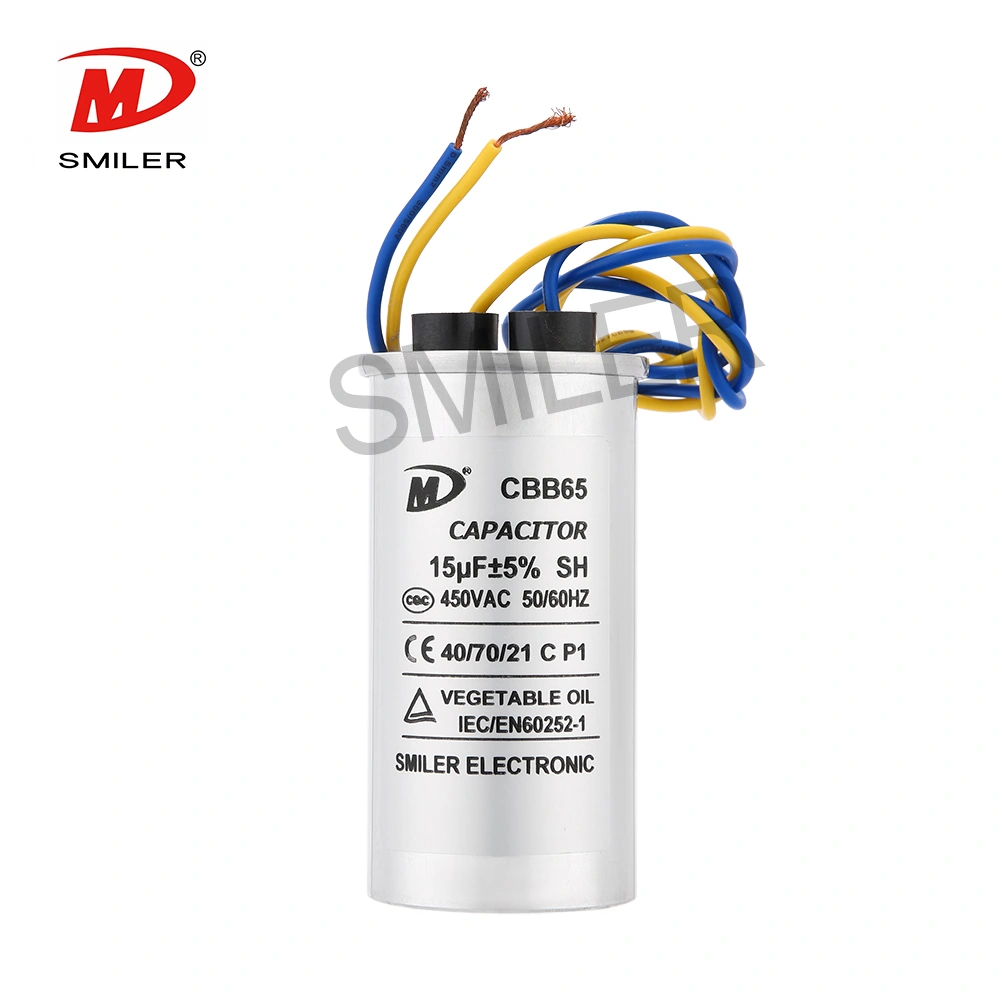
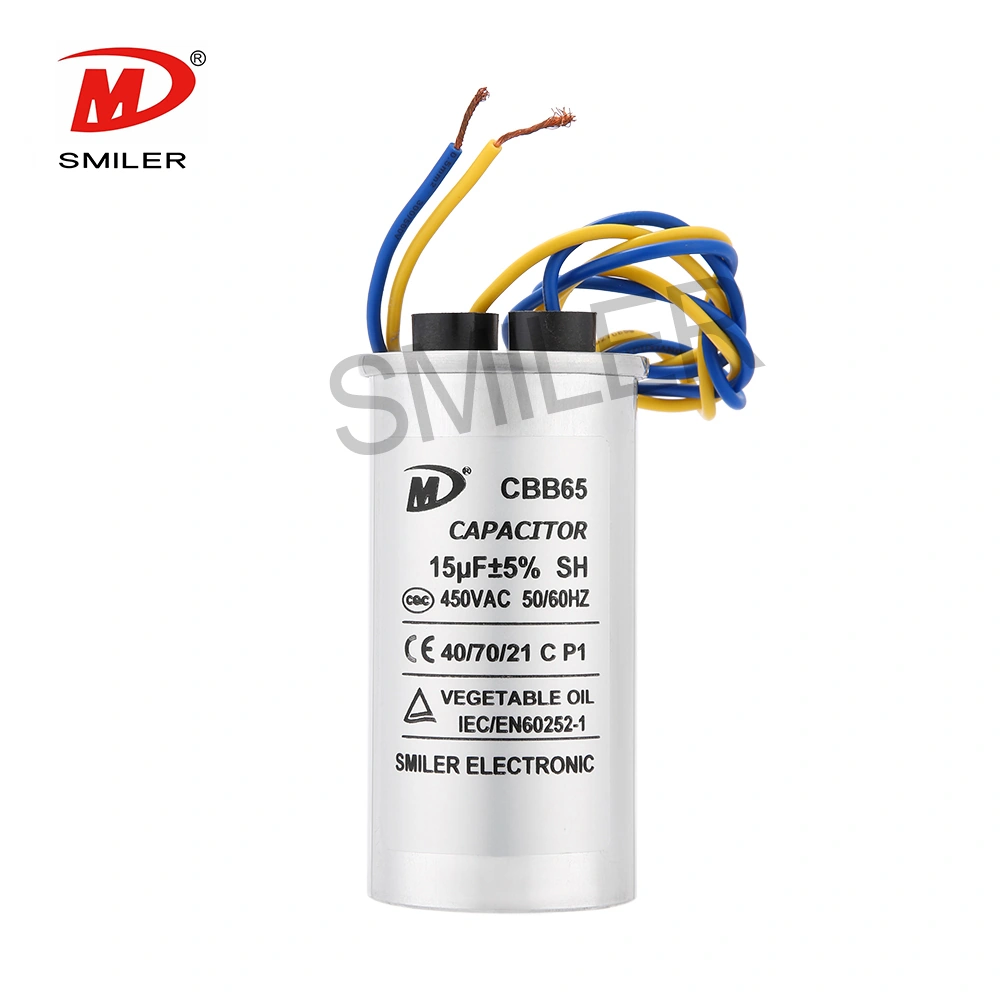
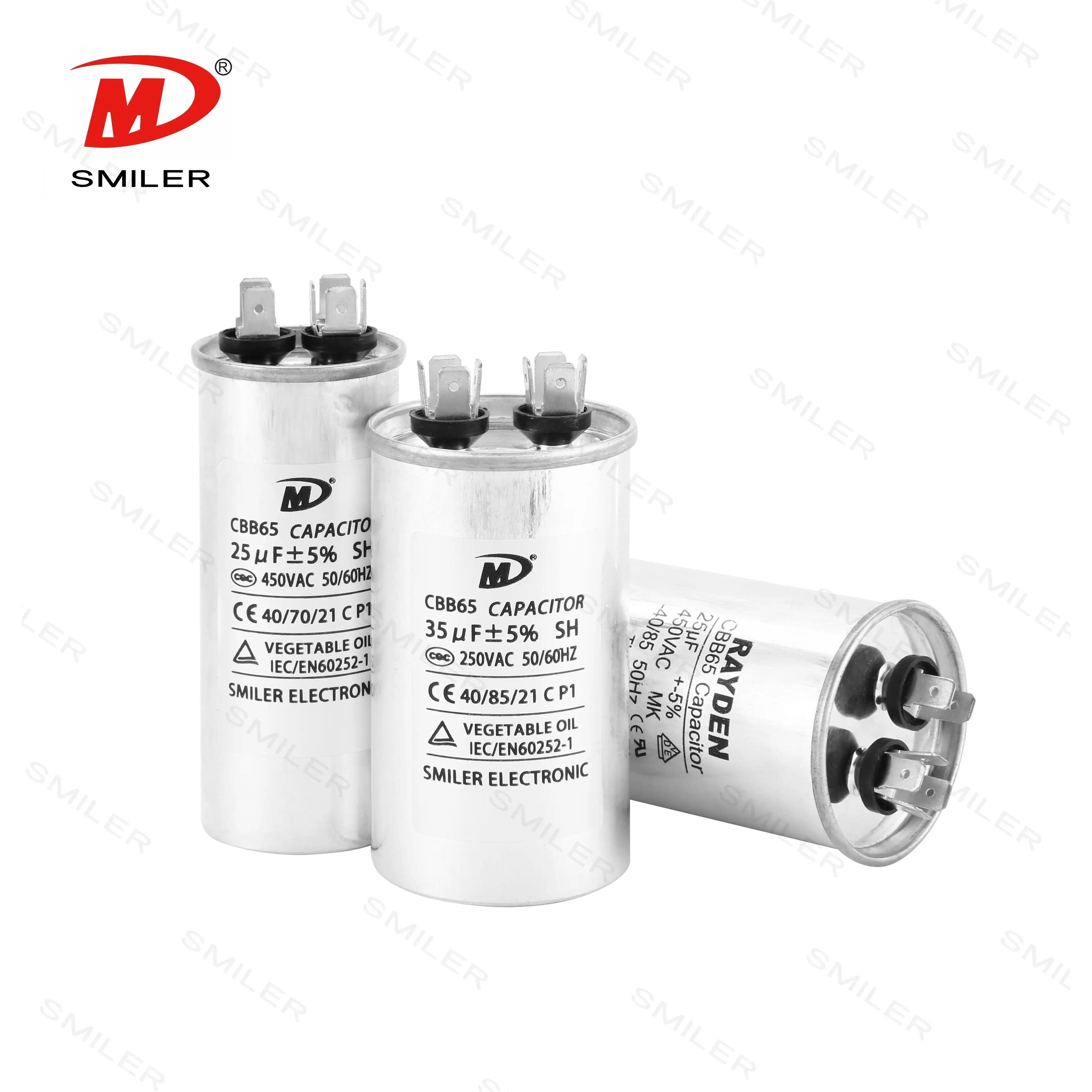
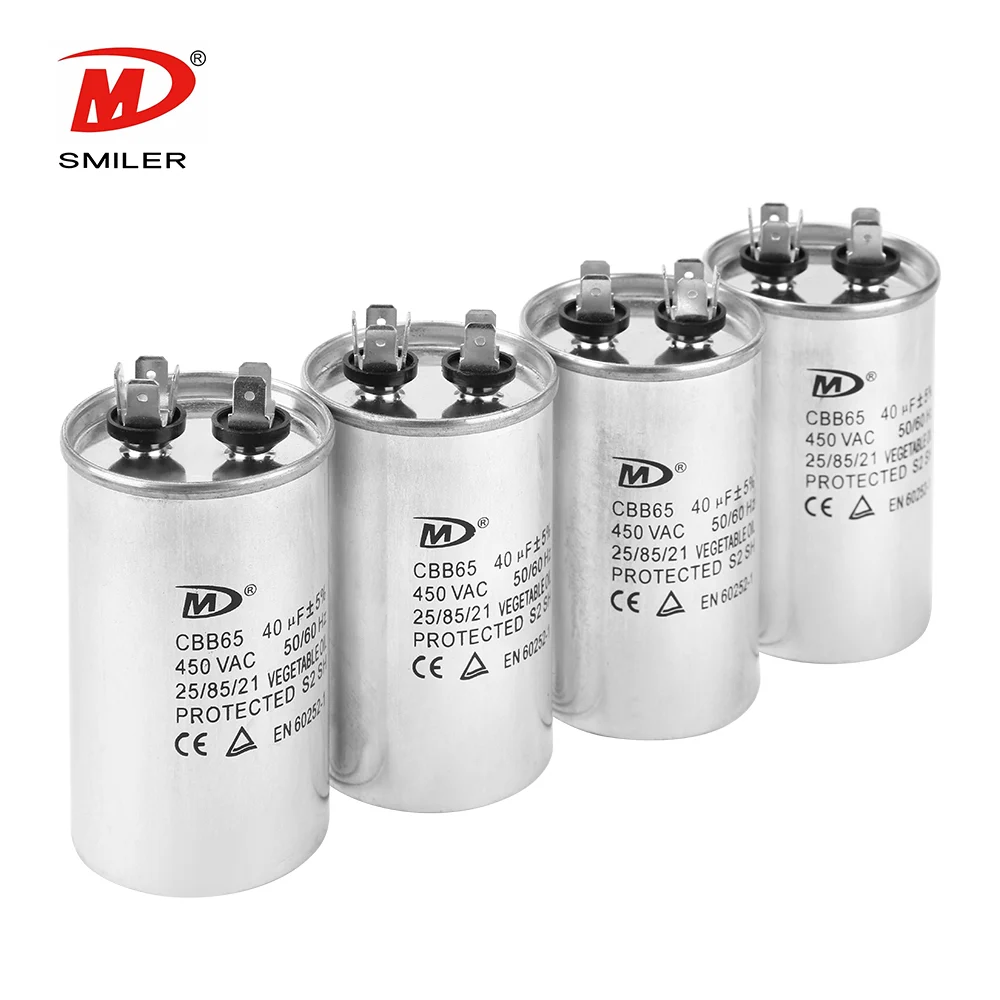
For replacement sourcing, the relevant part of the SMILER range is on the run-capacitor side: CBB61 for fans and small AC motors, CBB60 for pumps and other motor applications, and CBB65 for air-conditioning equipment. We match the original µF first, keep the VAC rating at the same level or higher, and check the case and terminal layout before quoting. If the motor uses a separate electrolytic start capacitor, identify and source that part by its own duty and ratings rather than treating a film run capacitor as a substitute.
A: Most fan motors don't. They use a run capacitor (PSC design) and start on that alone. A start capacitor shows up on heavier motors and compressors, usually with a centrifugal switch or a second lead pair.
A: It only works for a second or two, so it can be large to deliver a strong starting torque without ever running hot. A run cap can't be that big. Continuous duty at that value would overheat the auxiliary winding.
A: Yes, always. A higher voltage rating is safer, not weaker. What you should never do is fit a lower voltage rating, or a part sized for the wrong job.
A: Then it's a dual-value part. Match every value printed on it, note the lead layout, and replace the whole unit rather than one section.
Exploring How AC Capacitors and DC Capacitors Function Differently
Understanding Snubber Capacitor: RC vs. RCD Snubber Differences
Understanding DC Capacitance to Prevent Converter Oscillations
What Does a CBB61 Fan Capacitor Do? Exploring the Role of CBB61 Fan Capacitors
Mastering AC to DC Rectifier with Capacitor Techniques
SMILER's Guide to Selecting the Right Snubber Capacitor Type
Exploring the Role of DC Link Capacitor Use in EV Power Systems
Understanding Why Capacitors Pass AC but Block DC in Circuits
RC vs. RCD Snubber: Key Differences and Applications Explained
What Drives AC Capacitor Cost? A Comparison with DC Capacitors
Snubbing Capacitors in Power Electronics: RC vs. RCD Snubber
Understanding How DC Current in Capacitor Initiates Charging

Application of DC-Link Capacitors in EV Fast Chargers
Why DC Link Capacitance Matters in Modern Electronics Design?
Analyzing Resistor and Capacitor in Parallel for DC Circuit Optimization
Unveiling the Mechanics of Snubber Condensator in Power Systems
Exploring Capacitor in DC Analysis: Practical Circuit Insights
Mastering the Reset of Your CBB61 Fan Switch
How Capacitors and Resistors Enhance Filter Efficiency
How Snubber Capacitor Impacts RC and RCD Snubber Performance
Analyzing DC Link Dynamics in Modern Electric Vehicles

DC Link Capacitor Design: A Comprehensive Selection Guide
Understanding Capacitor Filter Circuit: Frequency and Value Relationship
Choosing the Right Filter Capacitor for Induction Cooker: An In-Depth Guide

Capacitor Voltage Regulator: Unveiling Hidden Drawbacks
How to Accurately Calculate AC Circuit Capacitor Impedance

Air Conditioning Capacitors: How They Impact Performance and Longevity
CBB65 250VAC Capacitor Explained: What Every Professional Should Know
What Should You Know About Filter Capacitor Replacement in Electronics?
Understanding the Use of DC Link Capacitor in Inverter Design for EVs
How to Choose the Best Bus Capacitor for Your EV Inverter Needs

Decoding the Complexities of Buck Converter Capacitor Current
In-Depth Analysis of Capacitor in DC Circuit Applications
Key Applications of Energy Storage Inverters in Industrial Operations
AC to DC Filter Circuit Design: Essential Considerations for Experts
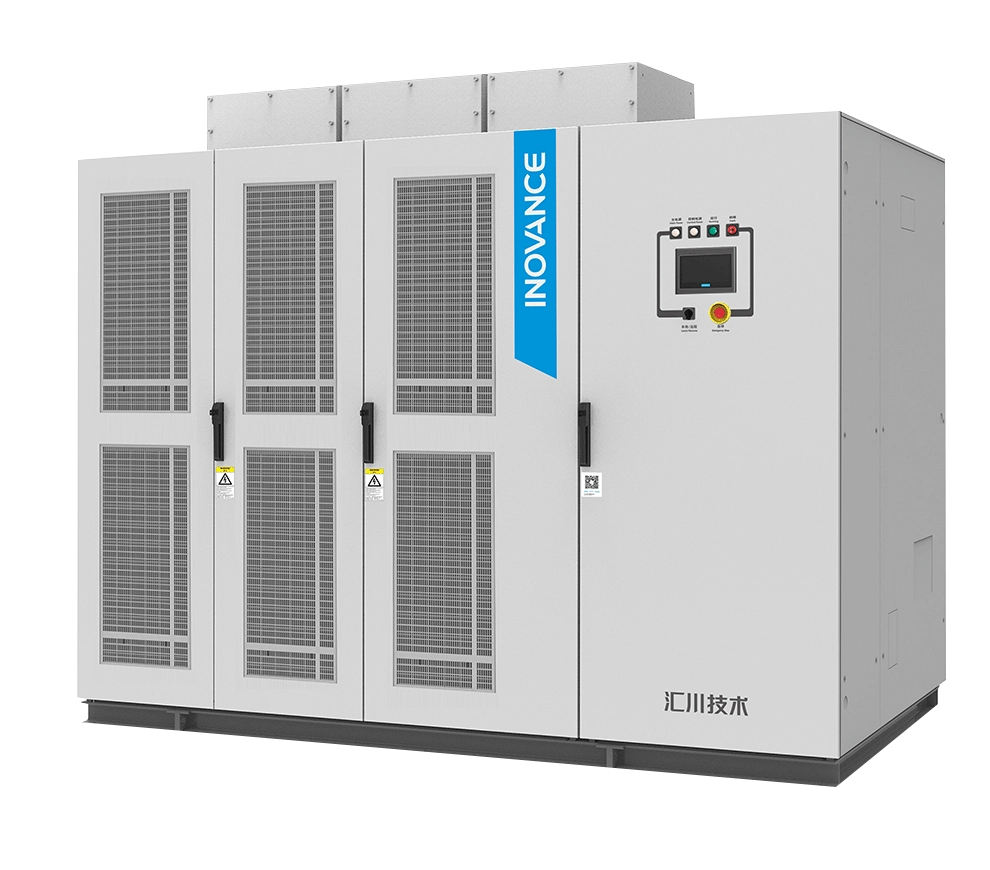
How Do Capacitors Improve Efficiency in Medium Voltage Inverters?
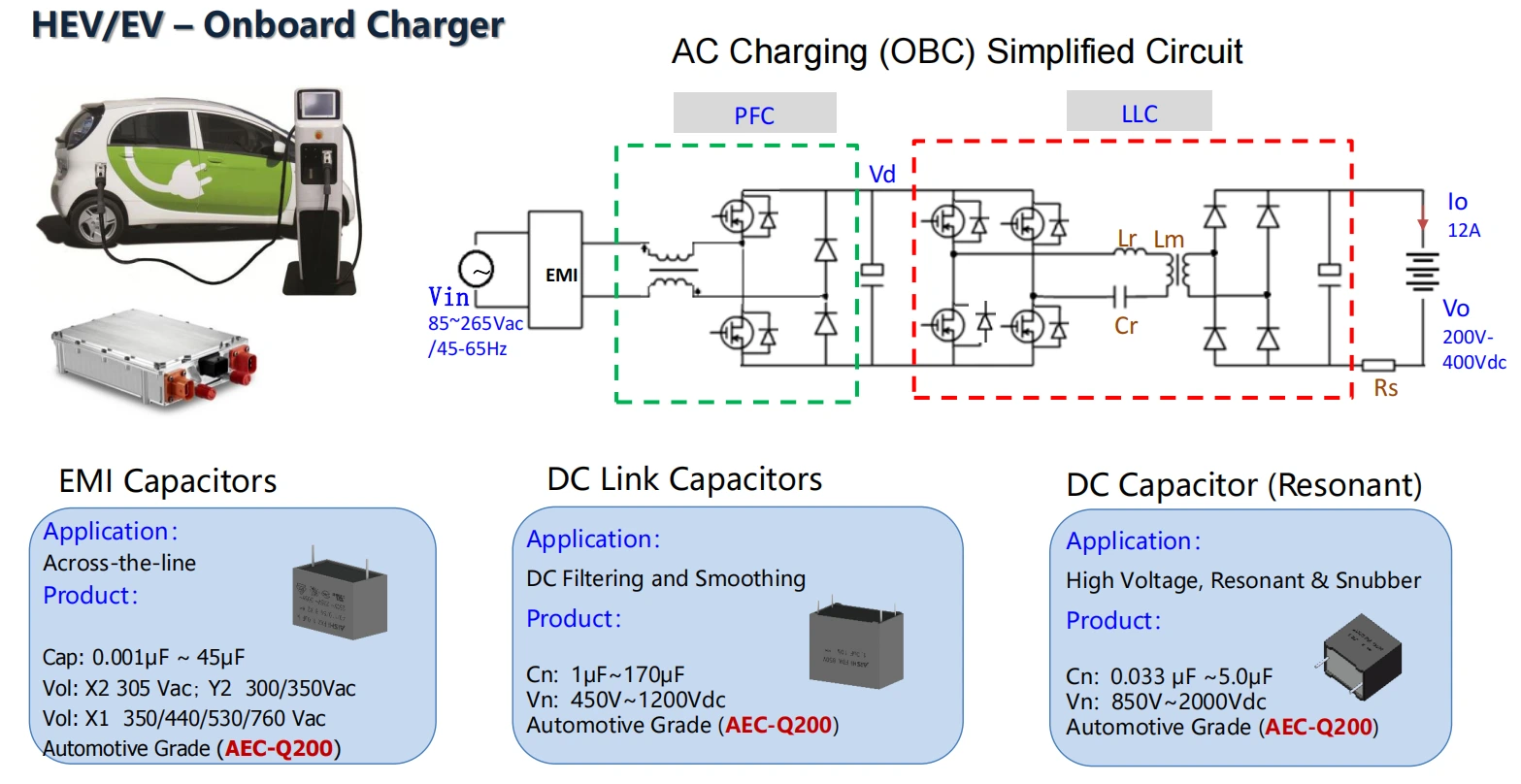
How Do Capacitors Boost Onboard Charger Performance in EV Systems?
Electric Vehicle Fast Charging Station: How Capacitors Improve DC Link Stability

How Capacitance in DC Circuits Creates an Open Circuit Effect

Step-by-Step Guide to Calculating Inverter DC Link Voltage
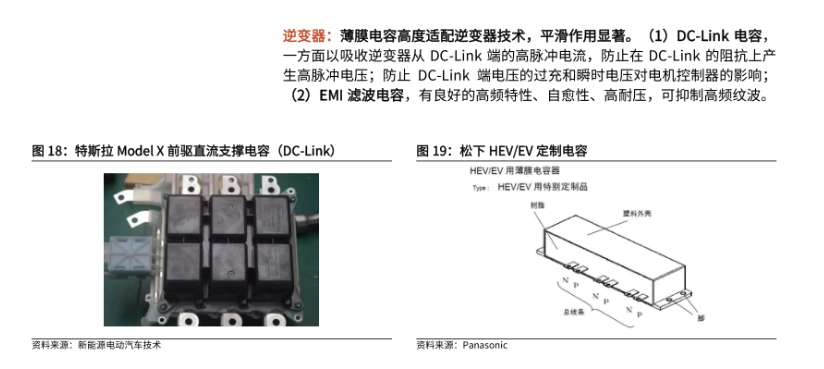
2025 EV Main Drive Inverter Technologies: How Capacitors Enhance Inverter Performance and Reliability
AC vs. DC Capacitors: Unveiling the Critical Distinctions

Wind Turbine Inverters 2025: How Capacitors Ensure Longevity
Unveiling the Function of Capacitor with DC Source in Electronics

Using Capacitors to Smooth DC Voltage: Enhancing EV Efficiency
Comparing Buck, Boost, and Buck-Boost Converters: Capacitor Roles

Distributed Solar Inverters: How Capacitors Support Grid Integration

Analyzing the Process of Capacitors Converting AC to DC

DC Decoupling Capacitor: Is It Essential for Your Circuit Stability?

DC Link Capacitor: Enhancing Power Stability in High Speed Trains

How Link Capacitors Stabilize DC Bus Voltage in Inverters

How a Capacitor Charges in a DC Circuit: A Detailed Analysis

How DC Coupling Capacitors Differ from AC and DC Blocking Capacitors

The Science Behind Outdoor Capacitors: What Experts Need to Know

Capacitance in DC Circuits: Stabilizing Voltage & Reducing Ripple

AC to DC with Capacitor: Optimizing Signal Conversion Processes

Selecting Input Capacitors for Buck Converters: Key Considerations
How to Choose the Right Filter Capacitor Types for Your Circuit
Capacitor ESR Impact on Low Pass Filter Performance
RCD Snubber vs RC Snubber: Best Practices in Capacitor Use

How AC Blocking Capacitors Work: A Deep Dive into Their Functionality

Top Applications of Capacitor Block DC in Electronics

How to Calculate Cut-Off Frequency in a High-Pass Filter with a Capacitor

Does the Placement of DC Blocking Caps Impact Electrical Systems?

How Bidirectional Capacitors Enhance Non-polarized Circuit Design

DC Link Converter and Inverter: How to Calculate DC Current Needs
How Fan Capacitors Work: A Detailed Technical Analysis

2025 Hong Kong Electronics Fair – Sharing Innovation, Connecting the World
How to Choose Input Capacitors for Optimal Buck Converter Performance
What Size 1.5 HP Aircon Capacitor Ensures Optimal Performance?

Evaluating Dielectric Types for Effective Snubber Capacitance

How Capacitor as Filter Circuit Enhances Signal Purity

Decoding Detuned Capacitor Reactors: Understanding Their Purpose
High Voltage Filter Capacitor: Strategic Placement for Optimal Efficiency

DC Blocking Capacitors: Why Capacitance Matters in Signal Integrity
RCD Snubber Capacitor Selection: Measures for Surge Suppression

Capacitor for Heat Pump: Ensuring Reliable Climate Control
Choosing the Right Capacitance for DC Power Supplies
Can a Ceiling Fan Capacitor 4uf Be Replaced with a 5uf Capacitor Safely?
AC Coupling Capacitors: Advanced Strategies for Optimal Use
RCD Snubber Capacitor vs RC Snubber: Key Performance and Design Insights

Exploring DC Motor Filter Capacitors: Key to Effective RFI Filtering

AC Coupling Cap Insights: Choosing Between AC and DC Coupling

The Role of Capacitors in Converting AC to DC Power

Optimizing DC Link Capacitor Design for 3 Phase Inverter Efficiency

Capacitance Challenges in DC Circuits: Ripple, Noise, and Surge Protection

How RCD Snubber Capacitors Reduce EMI in Power Electronics

Understanding Capacitance in DC Circuits for Industrial Power Design
AC Condenser Unit: Top 5 Run Capacitor Signs in 2026
Best Ceiling Fan Capacitors 2026: Top Buyer's Guide

Ceiling Fan Capacitor Failure: 5 Signs to Replace Now

Capacitor Converts AC to DC: The 2026 Expert Guide

How AC Filter Capacitors Enhance Power Efficiency in Power Electronics

How to Select DC-Link Capacitors for PV Storage Inverters 2026

How to Prevent Voltage Spikes with Proper RCD Snubber Design

Role of Capacitor in DC Circuit Stability and Energy Buffering

Why is My Ceiling Fan Slow? Capacitor Troubleshooting & Replacement Guide

Top 5 Capacitors for AC to DC Power Converters (2026 Guide)
AC Condenser Unit Repair: Best CBB65 Capacitor Guide 2026

Cost-Effective RCD Snubber Capacitors for Industrial Applications

Slow Ceiling Fan? Capacitor Troubleshooting & Replacement Guide

How Do Capacitors Acting as Filters in AC Circuits Block Low Frequencies?

How to Design an RCD Snubber Circuit for IGBT Modules
Understanding AC Flux Capacitor: The Role of Run Capacitors
Why Is My Capacitor Leaking Oil? Causes and Solutions Explained
How to Test a Ceiling Fan Capacitor with a Multimeter (2026 Guide)
Common Capacitor Problems in AC-DC Power Supplies and How to Fix Them?
How to Select the Right Capacitor for an AC-DC Power Supply

Ceiling Fan Capacitor Types: 2026 Selection Tips
Film vs Electrolytic Capacitors: Why Does the Choice Matter for AC-DC Converters?

Best RCD Snubber Capacitor: Top 5 Choices for 2026
Top RCD Snubber Capacitor Types for 2026 Inverters
Top Rated AC Capacitors 2026: The Ultimate Industry Sourcing Guide
Capacitor Leaking Oil in HVAC: Quick Troubleshooting Guide 2026

How to Replace a Ceiling Fan Capacitor: 4-Wire & 5-Wire Wiring Guide

AC Condenser Unit Efficiency: Why Quality Capacitors Matter

Mastering Capacitor Filter Calculations in Power Supply Design

What is a CBB61 Ceiling Fan Capacitor? Specs, Features & Applications
Capacitor Leaking Oil: Why It Happens and How to Fix It Fast

Is Your Capacitor Leaking Oil? 5 Dangers & When to Replace It Immediately

CBB61 Ceiling Fan Capacitor: Top Specs & Features
Best RCD Snubber Capacitor in 2026: A Guide for IGBT and Power Supply Design

How Capacitors Reduce Ripple in Rectified DC Power Supplies

How to Determine Snubber Capacitor Value for Optimal Performance

How to Wire an AC Ground Capacitor in Just 5 Steps
AC Capacitor Leaking Oil: Top 5 Warning Signs of Imminent Failure

Ceiling Fan Capacitor Values: Choosing the Right uF

RCD Snubber Capacitor Sizing: Top 5 Rules for 2026

Removing AC Capacitor: Uncover the Secrets of Efficient Replacement

Motor Capacitor Leaking Oil? Causes, Risks, and Replacement Tips

How to Reduce Capacitor Heating in High-Power AC-DC Systems

Condenser Price Fan: Uncovering the True Costs of AC Replacement

Why a 10µF Capacitor Is Essential for a Stable Power Supply
Capacitor Leaking Oil Diagnosis: What to Do When Your AC Fails
Why Capacitors Behave Differently in AC and DC Circuits: A Complete Guide to Their Working Principle and Behavior
Capacitor Leaking Oil Explained: How It Ruins Your AC Compressor
RCD Snubber Capacitor for IGBT: 5 Best 2026 Options
Capacitor Open-Circuit Failure in Film Capacitors Explained
Ceiling Fan Capacitor Rating: How to Pick the Right uF
How Capacitors Acting as Filters in AC Circuits Block Low Frequency
Future Trends in AC Power Capacitor Technology for Professionals
How 3 Terminal Filter Capacitors Enhance EMI Noise Reduction
Analyzing the Functional Differences in CBB60 25uF 500VAC and CBB61 Capacitors
What Happens to Voltage After Rectification? The Role of Capacitors
Understanding Snubber Cap's Role in Power Electronics Design
Analyzing the Impact of DC Filters in HVDC Applications
Ceiling Fan Humming and Running Slow? Choose the Right Capacitor Rating
How to Choose the Best RCD Snubber Capacitor for Flyback Converters
How to Choose the Right Filter Capacitor in a Power Supply Circuit: Sizing & Selection Guide
Why a Capacitor Input Filter Circuit Is Crucial in Modern Electronics
Variable Frequency Drive DC-Link Capacitor Sizing for High Ripple
DC-Link Capacitor Sizing Guide for Energy Storage Inverter and BESS Applications
Decoding Open Circuit Capacitors: Advanced Testing and Prevention for PCB Engineers
Wrong Ceiling Fan Capacitor Ratings That Damage Motors: Common Mistakes to Avoid
AC Condenser Unit Not Working? How Capacitor Failures Cause Cooling Problems
Low Pass Filter Resistor Capacitor Selection: Key Factors for Choosing the Right Capacitor
EV Onboard Charger Capacitors: Film vs Electrolytic DC-Link Design
Capacitor Open-Circuit Causes in DC Link Capacitor Systems
EV Charging Station DC-Link Capacitor Sizing for Fast Chargers

EV Traction Inverter Film Capacitors for High Ripple Current
Top Rated AC Capacitors 2026: The Ultimate Sourcing Guide for HVAC Systems
RCD Snubber Capacitor vs MLCC: 2026 Comparison Guide
Capacitor Open-Circuit Risks in AC Filter Capacitors Explained
How to Test a CBB61 Capacitor: Step-by-Step Guide for Ceiling Fan Troubleshooting
AC Furnace Capacitor: Key to Optimal Heating and Cooling
What Does µF Mean in CBB60 Capacitor 450VAC 40uF Specifications?
How to Test a Fan Capacitor With a Multimeter (Step by Step)
Start Capacitor vs Run Capacitor: How to Tell Them Apart and Why You Can't Swap Them


 Add
Building 12,Huazhi Technology Innovation Center,28 Sanle East Road,Beijiao,Foshan,Guangdong,China
 Phone
+86 18007576965 / 0757-22391591
 Email
ari@sml-cap.cn



